Find Most Reliable Refrigerated Trailers for Sale
Explore Freshness: The Complete Guide to Purchasing a Freezer Trailer for Sale
In the competitive landscape of food supply chain management, a cold storage trailer acts as a critical component for companies managing temperature-sensitive products. Recognizing the specialized features, find this resource dimension choices, and economic factors is essential for reaching a well-informed conclusion. Deciding between new and pre-owned units can significantly affect day-to-day operations. When companies seek to improve their refrigerated storage capabilities, they must consider several factors to guarantee peak performance and safety. What essential aspects might they overlook?
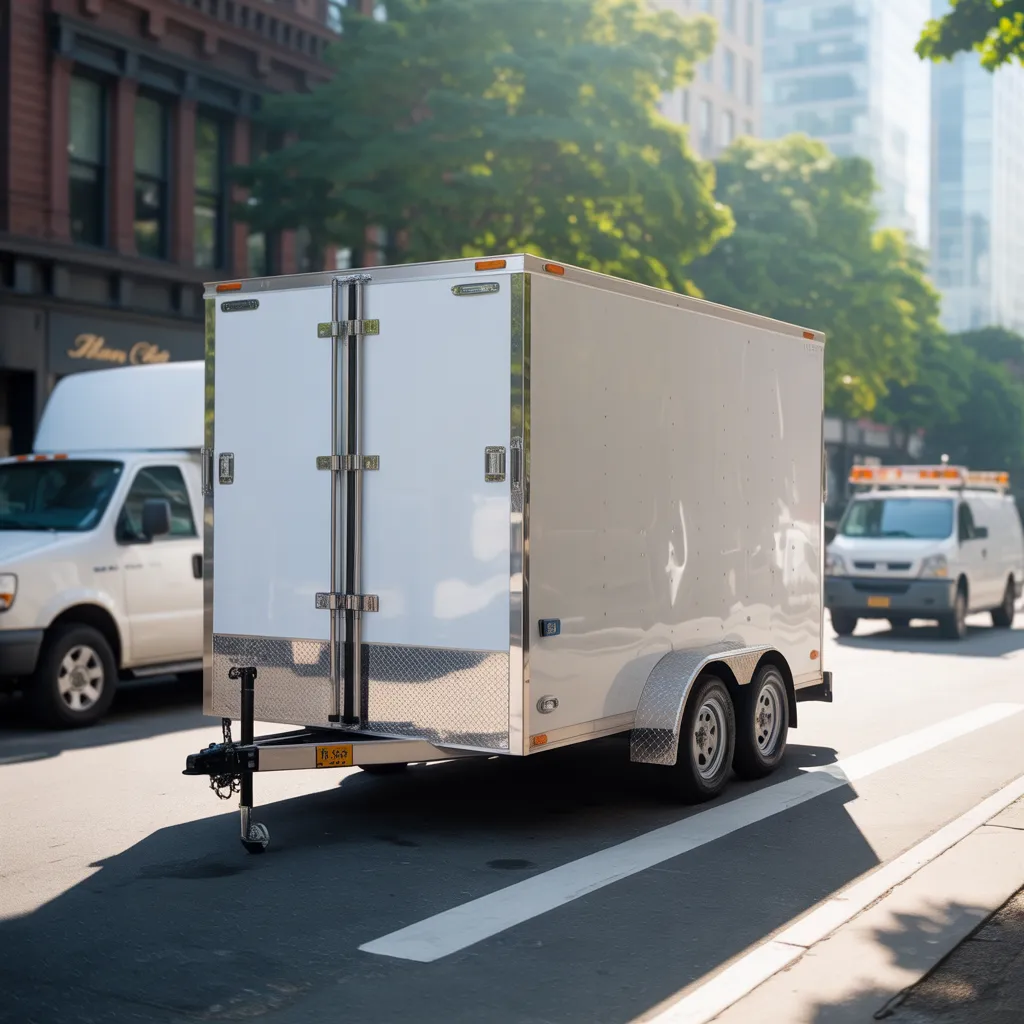
What Makes a Freezer Trailer the Right Choice for Your Business?
More and more businesses are choosing freezer trailers to enhance their operational efficiency. Such portable refrigeration solutions deliver convenience, allowing companies to haul perishable items without sacrificing product integrity. By incorporating freezer trailers, companies can broaden their delivery reach, reaching remote locations where traditional refrigeration might not be feasible.
In addition, freezer trailers offer the added benefit of maintaining a regulated setting, which is fundamental for protecting food safety and increasing shelf life. This is significantly valuable for sectors such as catering, food distribution, and pharmaceuticals, where temperature control is essential.
In addition, freezer trailers typically require a lower upfront investment in comparison to building permanent refrigeration facilities, making them a cost-effective choice for a wide range of companies. As the demand for chilled and frozen merchandise persists in climbing, utilizing freezer trailers helps organizations to address customer needs while optimizing their logistical operations.
Critical Features That Help Your Freezer Trailer Maintain Superior Performance
Investing in a freezer trailer provides many benefits, but its effectiveness primarily depends on certain features meant to enhance performance. To begin with, a reliable refrigeration system is essential, guaranteeing stable temperatures that protect food quality. Energy efficiency is another vital feature, as it lowers operating costs while maintaining ideal conditions.
Additionally, insulation quality serves a critical function in preserving temperature levels, decreasing energy consumption while boosting performance. The construction material of the trailer should be durable and resistant to corrosion, ensuring lasting durability in challenging conditions.
Additionally, a properly functioning drainage system aids in maintaining sanitary conditions, vital for the safety of food.
Finally, intuitive temperature tracking systems provide real-time data, permitting personnel to make necessary adjustments promptly. Combined, these capabilities ensure that a cold storage trailer consistently exceeds operational demands, ultimately supporting long-term business achievement.
Choosing the Right Size Freezer Trailer for Your Needs?
When selecting a freeze trailer unit, it is essential to assess specific storage demands to ensure sufficient capacity for the planned application. Furthermore, factoring in the vehicle's towing capacity can avoid issues during transport. Proper evaluation of these elements will aid in determining the correct size refrigerated trailer.
Understand Your Storage Needs
How can one determine the perfect size for a freezer trailer? Assessing storage requirements is fundamental for making an informed decision. Initially, operators should consider the types and quantities of items they plan to store. For operations handling perishable goods, a larger capacity may be essential to handle changes in inventory levels. Additionally, factoring in how often restocking occurs plays a significant role; more frequent deliveries might call for a smaller unit. It is equally important to consider long-term business growth—scaling up may call for a more spacious unit. Finally, assessing the space available for parking and operating the trailer can influence size choices. Taking these factors into account confirms that the selected freezer trailer meets both current and future demands efficiently.
Evaluate Vehicle Capacity
What factors should one consider related to vehicle capacity when choosing a freezer trailer? First, the towing capacity of the vehicle must align with the trailer's weight. Exceeding this limit can lead to safety hazards and potential vehicle damage. Additionally, the size of the trailer should complement the intended use; a greater capacity works best for hauling bulk goods, while a reduced size could be sufficient for sporadic deliveries. One should also consider the vehicle's maneuverability and the trailer's dimensions, guaranteeing they are capable of maneuvering through urban areas or restricted spaces efficiently. Lastly, proper weight distribution is critical for maintaining stability while in transit, impacting both handling and safety. Taking all these elements into account will aid in identifying the ideal freezer trailer for individual needs.
Should You Buy New or Used Weighing the Pros and Cons of Freezer Trailers
When exploring buying a cold storage trailer, the selection between brand-new and second-hand options presents distinct advantages and drawbacks. Brand-new units often come with manufacturer warranties and modern features but at a higher cost, while second-hand trailers can be more affordable yet could require additional maintenance. Evaluating these factors is important for reaching a well-informed conclusion.
Pricing Considerations
Choosing between new and used freezer trailers requires considering several cost considerations that can greatly impact a buyer's budget. New freezer trailers typically carry higher upfront costs but provide the latest technology, warranties, and potentially lower maintenance expenses. In contrast, used trailers can deliver significant savings, often at a fraction of the cost, but may lack modern features and could need more frequent repairs. Buyers should also factor in depreciation, as new trailers decline in value fast, while used models may retain their worth better over time. Ultimately, assessing the initial purchase price against long-term value and reliability will help buyers arrive at a knowledgeable conclusion that suits their financial goals.
Upkeep Considerations
Maintenance requirements play a significant role in the evaluation process between new and used freezer trailers. New freezer trailers typically come with warranties, lowering the likelihood of costly repairs and providing consistent functionality. Their cutting-edge engineering generally necessitates less routine upkeep. Conversely, pre-owned trailers can harbor concealed problems that result in higher maintenance expenses over time. Buyers should consider the age, condition, and service history of used models, as aging models may require more regular servicing or component replacements. Additionally, maintenance availability and costs can vary by brand. Ultimately, the choice copyrights on balancing initial investment with long-term maintenance expectations, making certain that the chosen unit suits both operational requirements and financial limitations.
Freezer Trailer Budgeting Guide
Planning a budget for a freezer trailer involves careful assessment of several key factors. The base purchase price is typically the largest financial consideration, as costs differ depending on size, brand, and features. Purchasers should also account for additional costs, like shipping and delivery charges, which may increase the total investment required.
Upkeep and operational costs are important to consider as well; utility costs, scheduled servicing, and unexpected repairs can mount up over time. Prospective owners should also account for insurance and registration fees, which may be necessary under local regulations.
Additionally, it is advisable to account for any enhancements or accessories that may boost efficiency, such as shelving or temperature monitoring systems. By considering all these factors, those looking to buy can develop a well-planned budget that accounts for both initial costs and future financial responsibilities connected to purchasing and maintaining a freezer trailer.
Tips for Maintaining Your Freezer Trailer for Maximum Longevity
Adequate care of a cold storage trailer is vital for ensuring its longevity and maximum performance. Scheduled maintenance reviews should be carried out to inspect the cooling system, ensuring that all parts operate properly. Washing both the inside and outside of the vehicle eliminates the buildup of dirt and grime, which can undermine effectiveness and health compliance.
It is critical to observe temperature configurations and confirm they are maintained uniformly, as variations can damage stored products. Furthermore, inspecting seals and gaskets on a routine basis supports consistent temperature control and lowers energy usage.
Tires and brakes should also be inspected routinely to ensure safe transportation. Keeping the trailer stored in a shaded or covered area can protect it from environmental wear and tear. Additionally, preserving thorough documentation of all servicing and repairs can assist in detecting repeated concerns and support a stronger future resale value. By implementing these measures, users can considerably extend the lifespan of their freezer trailer.
How to Optimize Freshness and Performance in Your Freezer Trailer
Maximizing freshness and efficiency in a frozen goods trailer necessitates strategic planning and careful management. Initially, correct temperature configurations are vital; maintaining a consistent temperature of -18°C (0°F) secures perfect preservation of stored items. Regularly monitoring and calibrating temperature controls works to eliminate temperature variations.
Moreover, arranging products by category and expiration date increases accessibility and limits waste. Employing clear labeling and specific sections facilitates efficient inventory management.
In addition, reducing door openings prevents temperature loss. Packing the trailer properly, maintaining airflow around items, further helps in keeping a controlled environment.
Regular maintenance checks, including checking seals and purging condenser coils, are essential for preserving the refrigerated trailer's operational effectiveness.
Lastly , investing in premium insulation improves the trailer's capacity to hold cold air, additionally promoting freshness. Applying these strategies will confirm that a freezer trailer functions at peak capacity, safeguarding products and enhancing operational efficiency.
Questions We Often Receive
Which Brands Are Top-Rated for Freezer Trailers?
Notable manufacturers for cold storage trailers are Thermo King, copyright Transicold, and Frigidaire. These industry leaders are well-known for their reliability, advanced technology, and efficient cooling solutions, addressing a wide range of demands in the movement of perishable cargo.
What Is the Best Way to Clean and Sanitize My Freezer Trailer
When cleaning and sanitizing a freezer trailer, start by taking out all stored items. Apply warm, soapy water to scrub all surfaces, then rinse all areas completely. Finally, apply a food-safe sanitizer, allowing it to cover all surfaces completely before air drying.
Can My Freezer Trailer Be Customized?
Absolutely, freezer trailers can be modified. Owners regularly customize features such as shelf configurations, thermal controls, and outer appearances to properly accommodate their individual specifications, providing optimal functionality for hauling perishable products smoothly.
What Are Typical Repair Concerns With Freezer Trailers?
Frequent repair problems with refrigerated trailers include compressor failures, thermostat malfunctions, insulation breakdown, and electrical problems. Scheduled maintenance assists in reducing these concerns, ensuring peak performance and prolonging the lifespan of the unit.
What Is the Safe Way to Transport My Freezer Trailer?
For safe freezer trailer transportation, ensure it's securely attached to the towing vehicle, verify tyre pressure, and distribute weight evenly. Use appropriate tie-downs and monitor the temperature during transport to maintain the cargo's freshness.