Freezer Trailer for Sale for Events
Explore Freshness: The Complete Guide to Buying a Cold Storage Trailer for Sale
In the highly competitive field of perishable goods distribution, a refrigerated trailer acts as a critical component for enterprises dealing with perishable inventory. Comprehending the distinct characteristics, available sizes, and cost considerations is essential for reaching a well-informed conclusion. The choice between new and used models can considerably influence overall performance. As businesses aim to enhance their cold storage solutions, they must consider several factors to ensure optimal functionality and security. Which critical factors might go unnoticed?
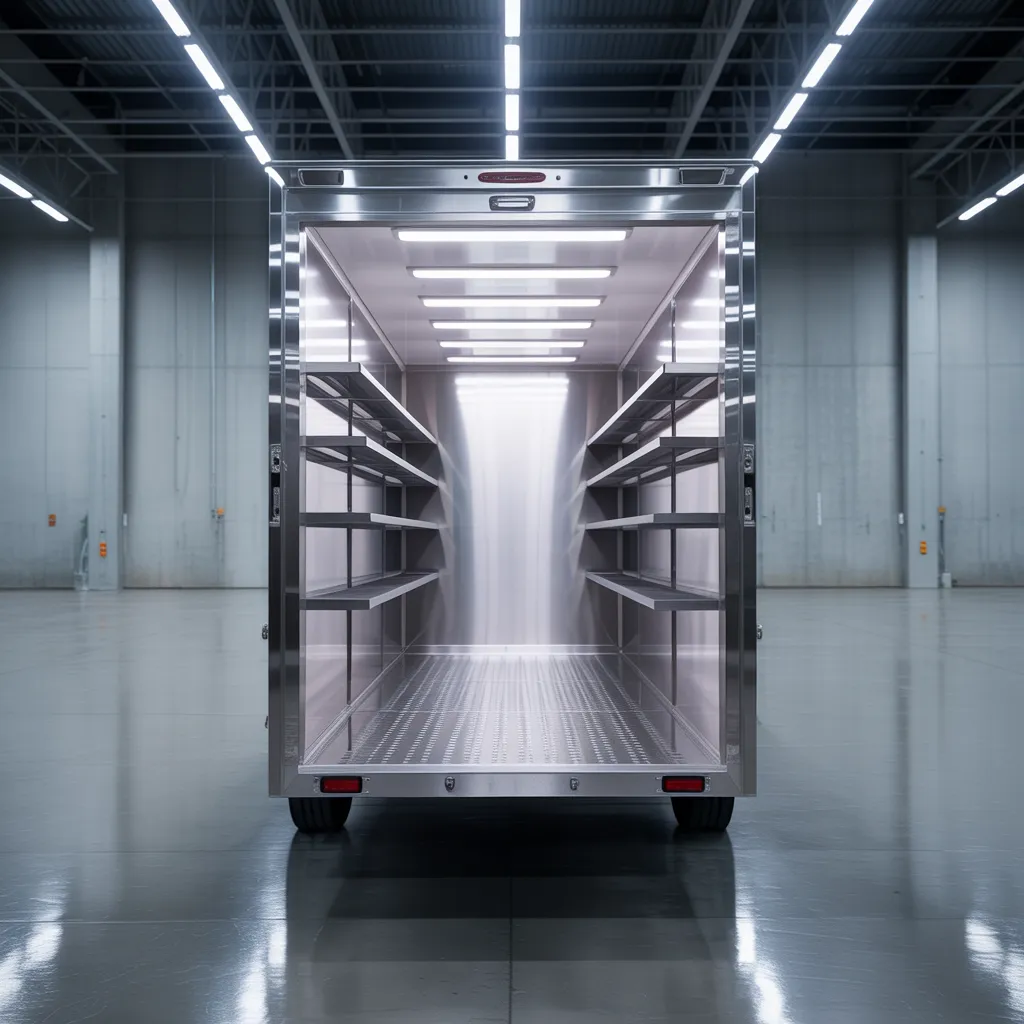
The Reasons to Select a Freezer Trailer for Your Business
More and more businesses are choosing freezer trailers to improve their day-to-day operations. These mobile cold storage solutions provide flexibility, allowing companies to haul perishable items without sacrificing product integrity. By investing in freezer trailers, businesses can broaden their delivery reach, serving far-flung destinations where standard refrigeration solutions could fall short.
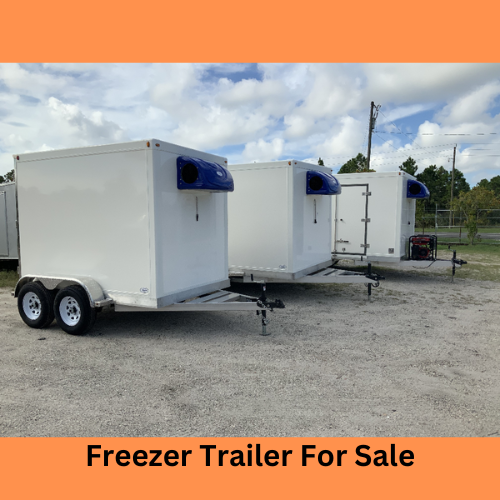
Furthermore, freezer trailers present the key advantage of preserving a consistent environment, which is fundamental for maintaining food safety and prolonging shelf life. This is significantly valuable for sectors such as catering, food distribution, and pharmaceuticals, where temperature control is essential.
Moreover, freezer trailers commonly necessitate fewer startup costs when measured against establishing permanent refrigeration infrastructure, positioning them as a budget-friendly option for many enterprises. With the growing need for perishable and frozen items steadily increases, utilizing freezer trailers can position businesses to address customer needs while streamlining their distribution workflows.
Important Features That Allow Your Freezer Trailer to Reach Maximum Performance
Purchasing a freezer trailer brings several benefits, but its effectiveness largely relies on particular features intended to enhance performance. First, a powerful refrigeration system is fundamental, guaranteeing consistent temperatures that maintain food quality. Energy efficiency is another key feature, as it reduces operating costs while preserving perfect conditions.
Additionally, insulation quality plays a significant role in temperature retention, decreasing energy consumption while boosting performance. The material used in construction of the review trailer must be durable and corrosion-resistant, ensuring lasting durability in challenging conditions.
Additionally, a properly functioning drain system plays a key role in maintaining a hygienic environment, essential for the safety of food.
Additionally, easy-to-use temperature monitoring systems deliver real-time data, enabling operators to make necessary adjustments promptly. Combined, these capabilities guarantee that a freezer trailer consistently exceeds functional requirements, effectively driving long-term business achievement.
Selecting the Ideal Freezer Trailer Size for Your Requirements?
When choosing a refrigerated trailer, it is crucial to evaluate specific storage demands to confirm adequate space for the desired purpose. Furthermore, considering the towing capability of the vehicle can prevent complications during the hauling process. Careful consideration of these elements will help in choosing the correct size freezer trailer.
Evaluate Your Storage Requirements
What is the best way to determine the ideal capacity for a cold storage trailer? Analyzing storage demands is fundamental for making an informed decision. To begin, individuals should consider the types and quantities of items they wish to accommodate. For operations dealing with perishable items, a higher volume option may be required to handle changes in inventory levels. Furthermore, considering the frequency of restocking plays a significant role; regular restocking schedules might reduce the need for larger capacity. It is equally important to account for potential expansion—expanding operations may necessitate a larger trailer. Lastly, evaluating available space for parking and maneuvering the trailer can impact the decision on trailer size. Taking these factors into account confirms that the chosen refrigerated trailer satisfies present and future requirements effectively.
Consider Vehicle Capacity
What aspects should be evaluated concerning vehicle capacity when choosing a freezer trailer? Initially, the towing capacity of the vehicle should correspond with the trailer's weight. Going beyond this limit may result in safety risks and possible vehicle damage. Moreover, the dimensions of the trailer should match the planned application; a higher capacity is most suitable for moving large quantities of goods, while a reduced size could be sufficient for sporadic deliveries. It is also important to evaluate the vehicle's handling and the trailer's measurements, making sure they can handle city settings or confined areas with ease. Finally, the weight distribution is essential for stability during transport, impacting both handling and safety. Balancing these factors will help in selecting the right freezer trailer for specific needs.
New or Used Purchase Guide Freezer Trailer Advantages and Disadvantages
When evaluating the purchase of a refrigerated trailer, the selection between new and used options offers distinct advantages and drawbacks. Brand-new units often come with guarantees and up-to-date technology but at a higher cost, while pre-owned trailers tend to be more cost-effective yet might demand more servicing. Weighing these elements is essential for arriving at a sound choice.
Cost Considerations
Comparing new and used freezer trailers requires considering several cost factors that can significantly affect a buyer's budget. New freezer trailers typically come with higher upfront costs but offer the latest technology, warranties, and potentially lower maintenance expenses. In contrast, used trailers can provide significant savings, often at a fraction of the cost, but may fall short of modern features and could need more frequent repairs. Buyers should also factor in depreciation, as new trailers decline in value fast, while used models may hold their value more effectively over time. Ultimately, assessing the initial purchase price against long-term value and reliability will help buyers make an informed decision that matches their financial goals.
Maintenance Considerations
Upkeep demands have a major influence in the evaluation process between new and used freezer trailers. Fresh-off-the-lot freezer trailers commonly feature manufacturer warranties, reducing potential repair costs and guaranteeing dependable operation. Their advanced technology often requires less frequent maintenance. In contrast, used trailers may present hidden issues that lead to increased upkeep costs over time. Purchasers ought to evaluate the age, overall condition, and maintenance records of pre-owned units, as more dated equipment could demand increased repair frequency or parts substitution. Additionally, maintenance availability and costs can vary by brand. Ultimately, the choice copyrights on balancing initial investment with long-term maintenance expectations, ensuring that the selected option aligns with operational needs and budget constraints.
Freezer Trailer Cost Breakdown
Budgeting for a freezer trailer requires careful consideration of a number of important elements. The upfront cost tends to be the primary cost factor, with rates fluctuating according to brand, dimensions, and specifications. Buyers should also factor in supplementary fees, including transportation charges, which can add to the overall budget.
Maintenance and running expenses are equally significant; power expenses, regular maintenance, and possible repairs can add up over time. Purchasers should also factor in insurance and registration fees, which may be mandated by local regulations.
Moreover, it is wise to plan for any add-ons or accessories that may improve performance, such as racking solutions or temperature regulation systems. By taking all of these elements into account, prospective buyers can develop a well-planned budget that covers both upfront expenses and ongoing financial obligations tied to the ownership of a freezer trailer.
Key Tips for Keeping Your Freezer Trailer in Top Condition for Long-Term Use
Adequate care of a freezer trailer is critical for guaranteeing its long-term performance and ideal performance. Regular maintenance checks should be conducted to assess the temperature control system, verifying that all components work as intended. Cleaning the interior and exterior of the unit prevents the collection of filth and residue, which can diminish productivity and cleanliness standards.
It is important to observe temperature configurations and ensure they stay stable, as inconsistencies can harm stored items. Moreover, inspecting seals and gaskets on a routine basis assists in preserving temperature stability and reduces energy consumption.
Tires and brakes must also be checked on a routine basis to maintain safe hauling conditions. Keeping the trailer stored in a shaded or covered area can shield it from weather-related deterioration. Finally, maintaining proper documentation of repairs and servicing can assist in detecting repeated concerns and contribute to improved resale value down the line. By implementing these measures, users can considerably extend the lifespan of their freezer trailer.
How to Improve Freshness and Productivity in Your Freezer Trailer
Optimizing quality and performance in a freezer trailer requires thorough planning and diligent oversight. To begin, correct temperature configurations are vital; maintaining a consistent temperature of -18°C (0°F) ensures perfect preservation of stored items. Consistently monitoring and fine-tuning temperature settings helps prevent fluctuations.
Furthermore, categorizing items by type and expiration date increases accessibility and limits waste. Implementing clear labeling and designated areas enables efficient inventory management.
In addition, decreasing door openings prevents temperature loss. Organizing the trailer effectively, ensuring airflow around items, equally contributes to keeping a stable environment.
Scheduled maintenance procedures, such as cleaning condenser coils and inspecting seals, help copyright the trailer's operational effectiveness.
Finally , incorporating superior insulation improves the unit's capacity to hold cold air, additionally promoting freshness. Adopting these methods will confirm that a freezer trailer operates at peak capacity, preserving products and maximizing operational productivity.
Questions We Often Receive
What Are the Best Brands for Freezer Trailers?
Premier companies for cold storage trailers include Frigidaire, Thermo King, and copyright Transicold. These manufacturers are well-known for their advanced technology, reliability, and efficient cooling solutions, meeting a wide range of demands in the movement of perishable products.
How Do I Clean and Sanitize My Freezer Trailer
To clean and sanitize a freezer trailer, first remove all items. Use warm, soapy water to scrub surfaces, followed by a thorough rinse. After rinsing, apply a food-safe sanitizer, ensuring it contacts all surfaces before allowing to air dry.
Am I Able to Customize My Freezer Trailer?
Yes, freezer trailers can be tailored. Proprietors often modify elements such as storage shelves, thermal controls, and exterior finishes to optimally address their specific needs, securing peak effectiveness for shipping perishable cargo effectively.
What Are the Most Frequent Repair Problems With Freezer Trailers?
Typical maintenance concerns with refrigerated trailers include thermostat malfunctions, compressor failures, electrical problems, and insulation breakdown. Regular maintenance helps mitigate these issues, maintaining top performance and maximizing the longevity of the trailer.
What Are the Best Practices for Transporting My Freezer Trailer Safely?
To transport a freezer trailer safely, ensure it's securely attached to the tow vehicle, inspect tyre pressure, and evenly distribute the weight. Utilize secure tie-down straps and monitor temperature during transport to protect the cargo's freshness.